Building the Backyard From Grading to Planting
Call 811 and settle the grades first, then follow one crew order from rough grading to sod, and see what goes wrong when the order is shuffled.
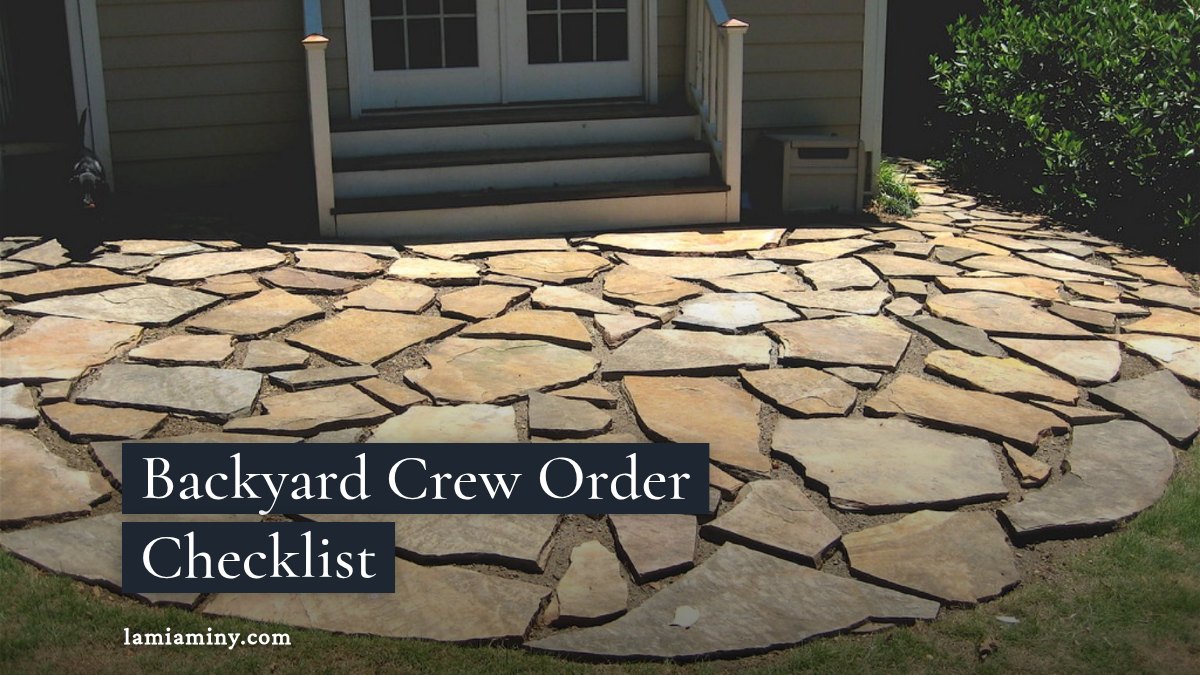
Call 811 and settle the grades before anything else gets built. A backyard is the one room where the floor is decided first and finished last, and the crews who arrive in between are all standing on two early answers: where the buried lines run, and where the ground sits and drains.
Get those answers late and the bill is easy to picture. Brownstoner designer Marie-Helene Attwood wrote in a 2014 column that changing a yard's grade and pitch afterward means removing almost everything, moving massive amounts of soil, adding French drains and replanting. Construction software company Projul calls hardscape the costliest part of a landscape plan to repair. And BIC Magazine cites Common Ground Alliance data that a buried "utility line is damaged once every six minutes nationwide because someone" dug without calling 811.
Nobody ever planted their way out of a bad grade, though many have tried.
Call 811 Before Anyone Digs
The notice windows here are New York's. Readers in Los Angeles and Miami should check their own state's window, but the habit is the same in all three cities: call before the first shovel.
New York 811 says to call "at least 48 hours but no more than 10 working days" before digging, not counting weekends and legal holidays. Landscaping, fence posts, deck supports, tree planting and a new retaining wall all count as digging. Utility companies then have two working days to mark their lines, and diggers have to wait for the marks. Keep at least a 24-inch tolerance zone on either side of a marked line.
When you hire an excavator or contractor, the contractor, not you, is responsible for making the call. Colonial Pipeline advises homeowners to confirm it was made and to hold off work if the lines are unmarked. The call is free, and the risks of skipping it include job delays and legal problems.
The Crew Order for a Backyard Build
Sources disagree on small points, so this is one recommended order. It follows Attwood's rule of working outside in, ground up, and from hard materials like steel and concrete toward stone, wood and plants, with Projul's grading sequence filling in the details.
- The 811 call. Make it, wait for the marks, and keep digging clear of them.
- Site work crew, rough grading. This crew sets elevation, drainage patterns and subgrade for everything after it. It needs the final landscape plan first, so berm soil is stockpiled and wall footing depths are known. Where the water goes once the grade is set is in Wet Yard Drainage.
- Masons and wall builders. Retaining walls that hold up grades or structures go in during or shortly after rough grading. When a wall needs an engineer and a permit is in Retaining Wall Cost, Permits and Who Builds It, and how deep and wide a stone wall's footing goes is in Stone Wall Footing Depth and Width.
- Pool crew, if there is one. Scott Cohen, in a Landscaping Network Green Scene video, laid out initial grading, pool excavation, a steel cage, plumbing and an inspection, then gunite or shotcrete.
- Drainage and hardscape. In that same sequence, drainage goes in after the concrete cures, then hardscape, walls, countertops and patio covers. How a paver patio is laid, base to joints, is in Paver Patio Installation and Cost, and what to settle before a pergola or patio cover is in Pergola Materials, Permits and Who Builds Them.
- Fence and deck builders. Attwood sends fences first because they sit on the perimeter, unless the grade is being significantly altered. Since this order starts with grading, the fence comes after it. Boundaries, height rules and permits for the fence are in Fence Installation Permits and Property Lines, and the deck's build order and inspections are in Deck Building Steps.
- Electricians. Attwood places electrical after the deck. Underground utilities need to be in before fine grading, so run those lines now. What belongs to the electrician in a low-voltage yard system is in Low Voltage Landscape Lighting.
- Fine grading. This brings finish grades to within a half inch of plan, typically once the building is substantially complete and utilities are in.
- Irrigation. Projul says it typically follows fine grading and comes before planting. How an installer designs the zones is in Sprinkler and Drip Irrigation Installation.
- Landscape crew. Planting and finish work are the last thing to happen on site.
What Goes Wrong When the Order Is Shuffled
Projul's examples of a shuffled order are planting before final grading, a skid steer driven over fresh pavers, and irrigation trenched through a retaining wall footing. Grading errors spread furthest: if the grade is off, stormwater controls will not work properly, and erosion, ponding and regulatory violations can follow. The handoff from rough to fine grading is also a frequent source of disputes over who pays to re-grade ground torn up by construction traffic.
Late fixes land on the plants too. Attwood says replacing a fence and digging new posts among established plants is less than ideal, and mature trees or vines can take two or three years to recover from replanting.
A Backyard Build Checklist
Landscaping Network says a residential project has two phases, design and construction, and that most designers sub construction out to a landscaping contractor, sometimes to several companies. Projul says the coordinating falls on the general contractor. Either way, these are the questions to put to whoever runs the job:
- Has 811 been called, and are the lines marked?
- Does the rough grading crew have the final landscape plan?
- Who pays to re-grade if construction traffic tears up the site?
- Are walls and footings set before irrigation trenches open?
- Will irrigation, gas and electric be tested after planting, with a final cleaning and walkthrough?
Landscaping Network's Green Scene puts a large backyard project with a pool at five to eight months.
Sod and Pool Water Arrive Last
In the Green Scene sequence, the sprinklers go in after the hardscape, then come soil, plantings, coping and tile. The sod and the pool water are the last deliveries, so the yard that spent months as trenches and stacked stone turns green and full on the final stretch. Then the irrigation, gas and electric are tested, a crew does a final cleaning, and someone walks the finished yard from one end to the other.
Every Backyard Crew, One Page Each
- Wet Yard Drainage: grading, swales, French drains and dry wells, and who does each.
- Paver Patio Installation and Cost: base to joints, the cost installed, and the hardscape crew.
- Retaining Wall Cost, Permits and Who Builds It: when it needs an engineer and a permit, and what each material costs.
- Stone Wall Footing Depth and Width: what a footing is, how deep and wide it goes, and what to ask a mason.
- Deck Building Steps: the build order, the inspections, and wood or composite.
- Pergola Materials, Permits and Who Builds Them: open or roofed, attached or freestanding, and who builds it.
- Low Voltage Landscape Lighting: transformer, cable and fixtures, and the electrician's part.
- Sprinkler and Drip Irrigation Installation: drip and sprinkler zones, smart controllers and the winter blowout.
- Fence Installation Permits and Property Lines: the boundary, the height rule and the permit.
Designing the space before building it? Who to Hire to Design an Outdoor Room starts with how you will use it.
Highlights
When should you call 811 for a backyard project?
New York 811 says to call between 10 working days and 48 hours before you dig, not counting weekends and legal holidays. Los Angeles and Miami readers should check their own state's window.
What comes first in building a backyard?
The 811 call, then rough grading, which sets elevation, drainage and subgrade for everything after it. Retaining walls follow during or shortly after.
What goes wrong when the order is shuffled?
Projul lists planting before final grading, a skid steer over fresh pavers, and irrigation trenched through a wall footing. Bad grading also causes erosion and ponding.
Sources
- Construction Landscaping Coordination Guide
- Video: Landscaping Construction Video - Landscaping Network
- Landscaping Process for a Residential Yard - Landscaping Network
- The Dirt: The Proper Order of Things | Brownstoner
- Homeowners - New York 811
- Planning a home yard project? Call 811 before you dig - BIC Magazine