Teaching Kids About Money at Home, Age by Age, With Wealthi Founder William Cross
What to say from preschool through the teen years, and how an Atlanta financial educator turns those lessons into practice.
Money lessons can start long before a first paycheck, and the Consumer Financial Protection Bureau's Money as You Grow guide lays out what to say at each age. Here are a few of its talking points, from preschool to the teen years.
- Ages 3 to 5. "You need money to buy things, and you earn money by working." Add that you may have to wait and save before you can buy something you want, and that every purchase is a choice between needs and wants.
- Ages 6 to 12. Children can earn money through an allowance or jobs for the family, start a habit of putting money aside, compare prices before they buy and keep personal information private.
- Teens. The milestone to watch for is independent decision-making: setting a goal, looking up the missing facts and following through. It is also the age to explain that a loan means paying back what you borrow, plus interest.
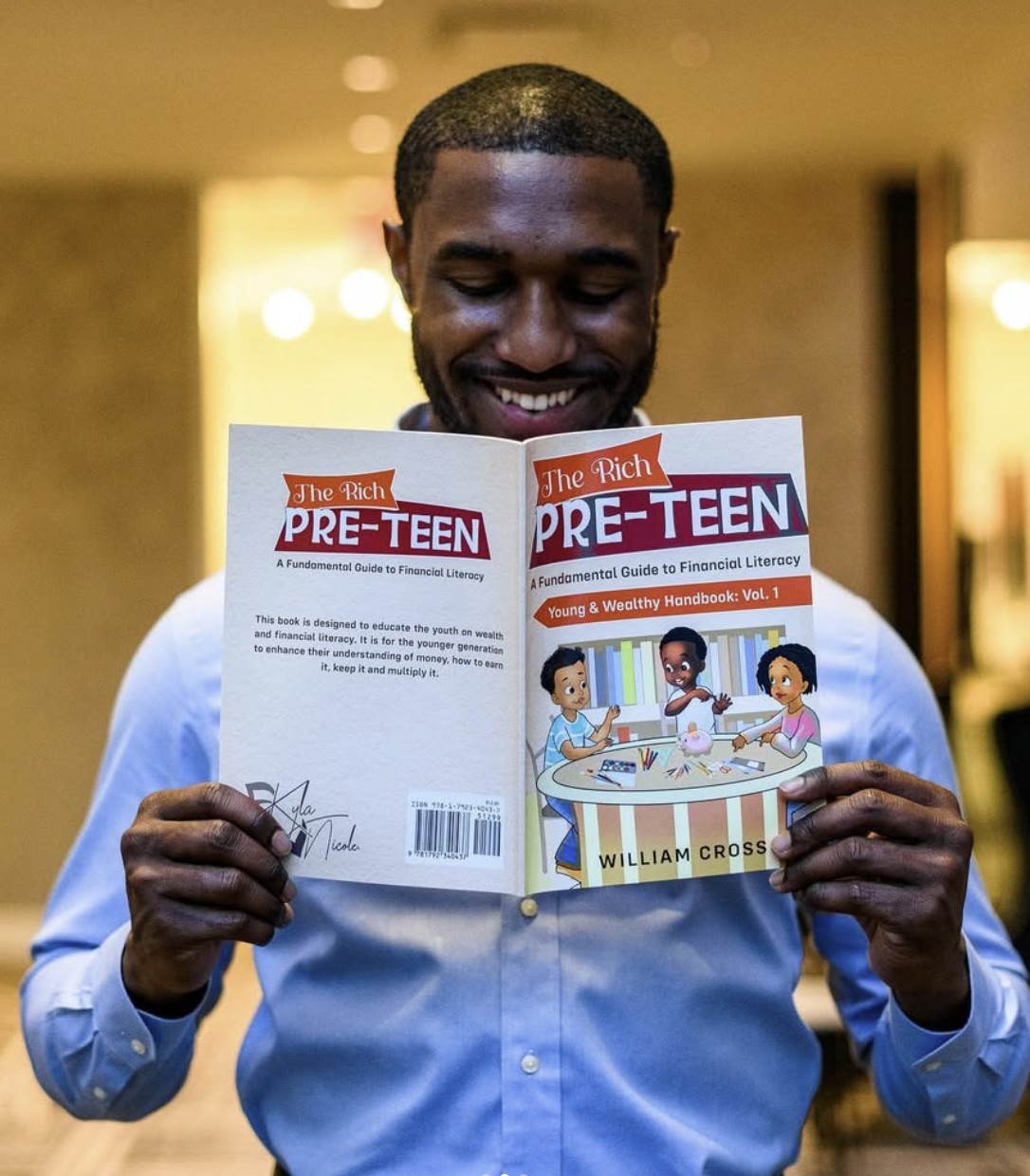
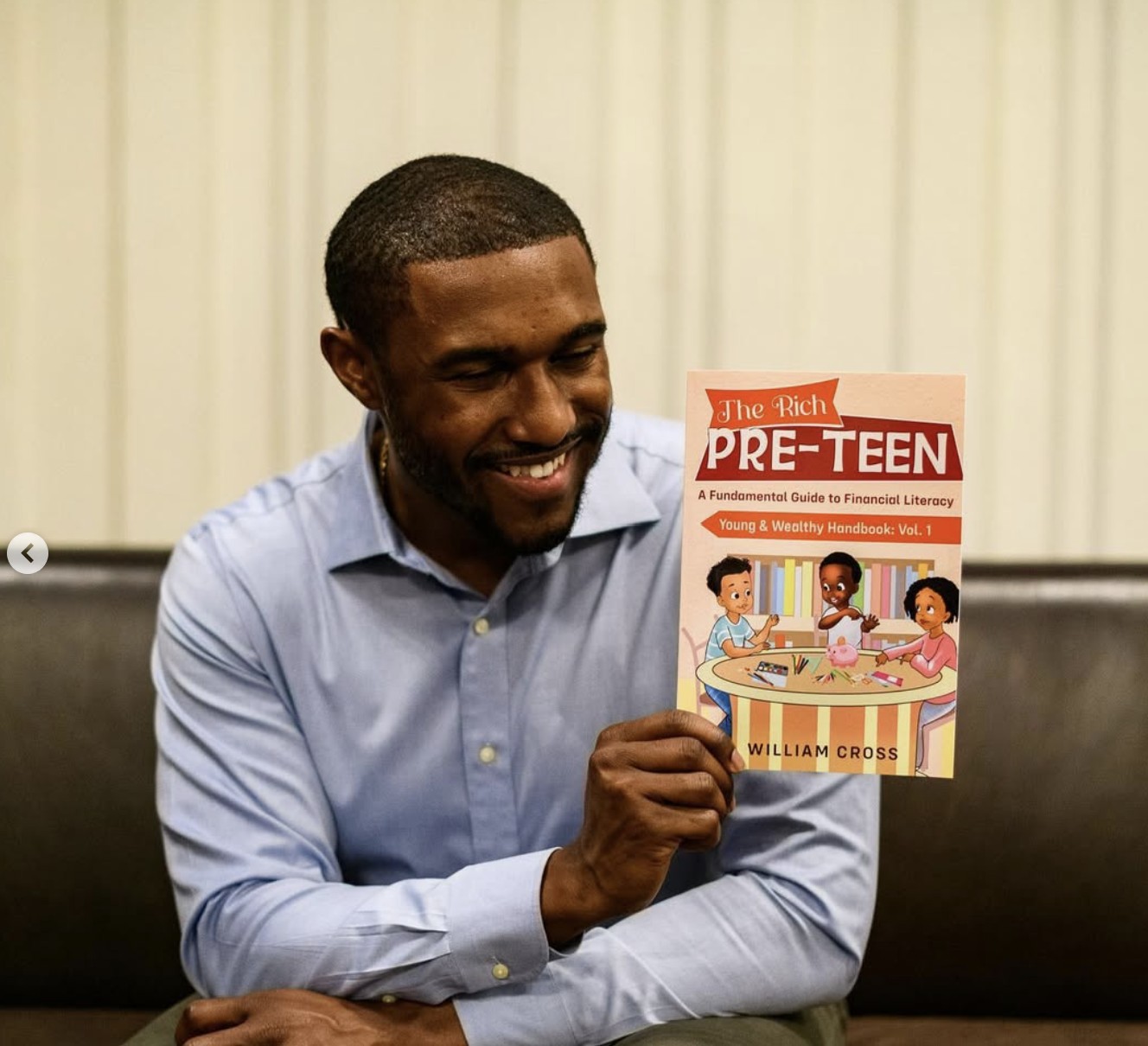
William Cross built a company around those same lessons. The Atlanta financial educator is the founder and CEO of Wealthi and the author of The Rich Pre-Teen, a book that has sold more than 5,000 copies, as he told the Butternomics podcast. Wealthi's promise is simple: money is a skill, not a mystery.
What Wealthi Teaches at Each Age
Wealthi splits its lessons into two paths. Wealthi Start, the first live path, is for ages 8 to 13 and covers needs, wants, trade-offs, saving, spending, earning, giving and building a simple money plan. Wealthi Core, for ages 14 to 18, is the next step, with deeper simulations that connect budgeting, credit, saving, investing, careers and trade-offs to a future teens can picture.
Each lesson works the same way. A short scenario sets up a decision, students sort, allocate, compare and choose rather than just typing answers, a quick explanation shows why a choice works, and progress keeps moving.
Money Habits Start at Home
The CFPB's best reminder for parents is that the teaching never really stops. "Your children are constantly watching and listening, so they might absorb more than you think." For children 6 to 12, it suggests thinking out loud while you manage money and time, so they can hear the why behind a choice.
Cross's book is built for that kind of conversation. The Rich Pre-Teen introduces earning, saving, keeping, and growing money through definitions and hands-on activities, and it is designed to start as early as elementary school. Families can also use Wealthi Grow at home, with a parent dashboard and learning paths.
Practice Before the Stakes Are Real
The Wealthi app for iPhone turns the lessons into bite-sized challenges with simulated money decisions, goals and badges. The idea behind it is one line on Wealthi's site: "Confidence grows through experience, not memorization." Cross's own advice to the adults doing the teaching is gentler still: "You don't have to have all the answers. You just have to give them the tools."
Highlights
When should you start teaching kids about money?
As early as ages 3 to 5, according to the CFPB's Money as You Grow guide, starting with ideas like earning money by working, waiting and saving, and choosing between needs and wants.
What does Wealthi teach kids?
Wealthi Start, for ages 8 to 13, covers needs, wants, trade-offs, saving, spending, earning and giving; Wealthi Core, for ages 14 to 18, moves on to budgeting, credit, investing and careers.
Who is William Cross?
William Cross is an Atlanta financial educator, the founder and CEO of Wealthi and the author of The Rich Pre-Teen.
Sources
- CFPB: Money as You Grow
- CFPB: Money as You Grow, young children
- CFPB: Money as You Grow, school-age children and preteens
- CFPB: Money as You Grow, teens and young adults
- Wealthi
- Wealthi Learn
- Wealthi: Resources
- Butternomics: How To Use AI To Teach Kids About Wealth with William Cross
- LinkedIn: William Cross