Call the Home Inspector First When Buying a Fixer-Upper
The order of calls before you commit to a house that needs work, from inspector to roofer to lender, and who pays and fixes it afterward.
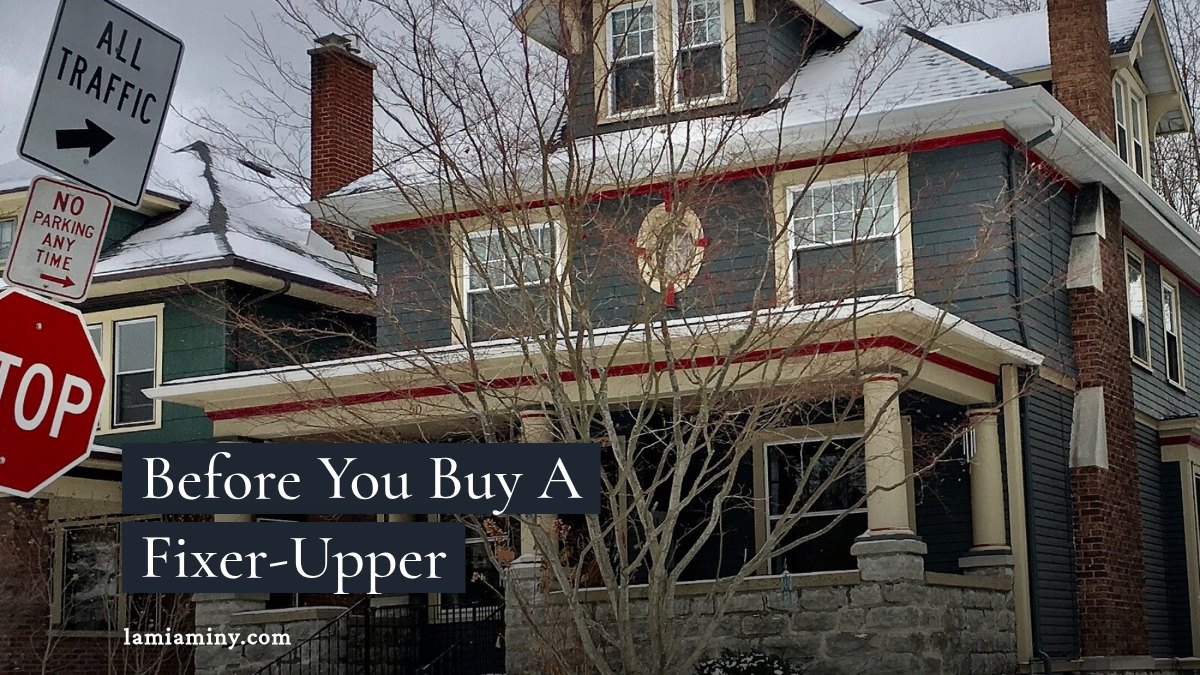
A house that needs work will always tell you what is wrong with it. The only question is whether it tells you before closing, when you can still walk away or negotiate, or after, when the roofer is standing in your kitchen with a quote. The order of your calls decides which. Here it is:
- The home inspector. Hire one before you commit, and tell them what worries you.
- Specialists. A roofer, plumber, electrician or HVAC technician, wherever the report points.
- A contractor walk-through. Get repair prices in writing.
- A lender, then a 203(k) consultant. Settle how the work gets paid for.
- The trades. Licensed crews, working from a written contract.
The order matters because each person can only price what the one before them has already found. The buyer pays for the inspection, so you can ask the inspector to focus on areas of concern.
Fixer-Upper Inspection Checklist
The American Society of Home Inspectors (ASHI), in an article dated October 2, 2020, says a home inspection is even more essential when buying a fixer-upper. Inspectors pay special attention to the roof, the foundation, and the heating, cooling, plumbing and electrical systems, because those are the costly ones to repair or replace.
ASHI advises against choosing the cheapest inspector and suggests asking for references; its find an inspector tool is one place to start. Take the report seriously for another reason: ASHI notes that FHA and VA loans require acceptable condition, and a loan may be refused when defects fail those baseline requirements. Two of the reports a fixer-upper most often needs are covered on their own: Who Runs the Sewer Line Camera Before You Buy an Older House and Structural Engineers Read Basement Cracks Before You Buy.
Roofing Plumbing Electrical and HVAC Specialists
The inspector spots the problem; someone else prices it. ASHI says inspectors in many places may not quote repair prices, so a contractor's estimate is the better source. That is the job of the trades the report points to. The roofer looks at the roof, the plumber at the lines, the electrician at the panel and wiring, and the HVAC technician at the furnace or cooling. What the electrician and plumber look for in the oldest wiring and pipes is in Electrician and Plumber Checks for Knob-and-Tube and Lead Pipes, and who tests for asbestos, lead paint and mold before a wall opens is in Asbestos, Lead and Mold Testing Before Opening Walls. Each can tell you whether the item is a repair or a replacement, which is the difference between a line in a budget and a surprise bill.
This is also where you decide what to ask the seller for. ASHI advises asking for larger problems to be fixed by a contractor or covered by a closing cost credit.
Contractor Estimates for a Fixer-Upper
A contractor walk-through turns a list of defects into a budget. Bring the inspection report and the specialists' notes, and ask for estimates in writing. The walk-through itself, stop by stop, is in What a Contractor Checks in a Fixer Upper Before You Offer, and which trades to price first and how much contingency to hold is in Roof, Wiring, Pipes and Foundation Pricing for an Older House. If you plan to borrow for the work, the estimate matters twice: it sets what you can finance, and in the 203(k) process it travels with the bids to the lender.
Renovation Loan Options 203(k) and HomeStyle
In the 203(k) process, you first talk to an FHA-approved lender and select the program. On HUD's program page, the Limited 203(k) lets buyers finance up to $75,000 into the mortgage for repairs, improvements or upgrades, covering minor remodeling and non-structural repairs; confirm the current limit with your lender. The Standard 203(k) covers major rehabilitation of single-family homes, with work costing at least $5,000 and a property value that stays within the area's FHA mortgage limit. HUD also offers a 203(k) calculator.
Fannie Mae's HomeStyle Renovation is the other route. Its appraisal must give an as completed value, an estimate of what the home will be worth after the work. Who signs off on the money and when the crew gets paid is in Renovation Loan Draws for a Fixer-Upper, Step by Step.
What a 203(k) Consultant Does
The lender selects a consultant from HUD's roster; the step is optional for the Limited 203(k). The consultant visits the home with you and prepares a work write-up and cost estimate, which go to the lender with contractor bids.
The clearest account from a buyer is a Brownstoner blogger's, writing on December 12, 2013 about a Bed-Stuy renovation. They wrote that only the consultant chosen at application can do the 203K inspection, and that the consultant sets the number of draws, the payments and inspections, by budget and scope. Their project had five. Rules may have changed since 2013, so treat it as one buyer's experience.
Hiring Licensed Trades for the Work
Under 203(k), the contractor obtains the necessary permits before the project starts. Work a seller did without permits is its own job, covered in Unpermitted Work on a New York Fixer-Upper and Who Legalizes It. Under HomeStyle, the work must be done by a licensed contractor or subcontractor unless licensing does not apply to that trade under state or local law, and you pick the contractor: the lender may not choose or refer one. The contract has to be fully executed before closing and must itemize the work, cost, subcontractors and payment schedule. Plan on paying for cost overruns and change orders yourself.
How Contractors Get Paid on a 203(k)
HUD says 203(k) draw payments come as a two-party check payable to the borrower and the contractor, after the consultant certifies the work. For the contractor, the wait is part of the job. The Brownstoner blogger wrote that a 203K contractor is not paid until an inspection takes place. If you move in before the work is done, Living in a House During a Renovation says which rooms to set up first.
Every Fixer-Upper Guide, One Page Each
- What a Contractor Checks in a Fixer Upper Before You Offer: the six stops, and pricing each finding line by line.
- Renovation Loan Draws for a Fixer-Upper, Step by Step: who signs off on the money and when the crew is paid.
- Who Runs the Sewer Line Camera Before You Buy an Older House: what the camera shows by pipe material, and who should run it.
- Structural Engineers Read Basement Cracks Before You Buy: which cracks earn the call.
- Electrician and Plumber Checks for Knob-and-Tube and Lead Pipes: the electrician's and plumber's checks, and a test you can run first.
- Asbestos, Lead and Mold Testing Before Opening Walls: who tests, who is licensed to handle each, and the order they arrive.
- Unpermitted Work on a New York Fixer-Upper and Who Legalizes It: how to check for permits, and who makes the work legal in New York.
- Roof, Wiring, Pipes and Foundation Pricing for an Older House: which trades to price first and how much contingency to hold.
- Living in a House During a Renovation: a bathroom and a food prep space first, then the trades in order.
Buying a house that is ready to move into? Everyone in a Home Sale, From Listing to Keys follows a sale from the listing to the keys.
Highlights
Who should I call first when buying a fixer-upper?
A home inspector, before you commit. You pay for the inspection, so you can ask them to focus on your areas of concern.
Can an inspector tell me what repairs will cost?
Often not. ASHI says inspectors in many places may not quote repair prices, so a contractor estimate is the better source.
How much can a Limited 203(k) finance?
HUD's program page says up to $75,000 can be financed into the mortgage for repairs, improvements or upgrades. Confirm the current limit with a lender.
Sources
- 203(k) Rehabilitation Mortgage Insurance Program Types | HUD.gov / U.S. Department of Housing and Urban Development (HUD)
- HomeStyle Renovation Mortgages: Collateral Considerations | Fannie Mae
- HomeStyle Renovation: Renovation Contract, Renovation Loan Agreement, and Lien Waiver | Fannie Mae
- Home Inspection Checklist - American Society of Home Inspectors, Inc.
- Bed Stuy Reno: First 203K Inspection | Brownstoner