Unpermitted Work on a New York Fixer-Upper and Who Legalizes It
How to check whether a fixer-upper's work was permitted, and which architect, engineer, electrician, plumber and building department it takes to make it legal in New York City.
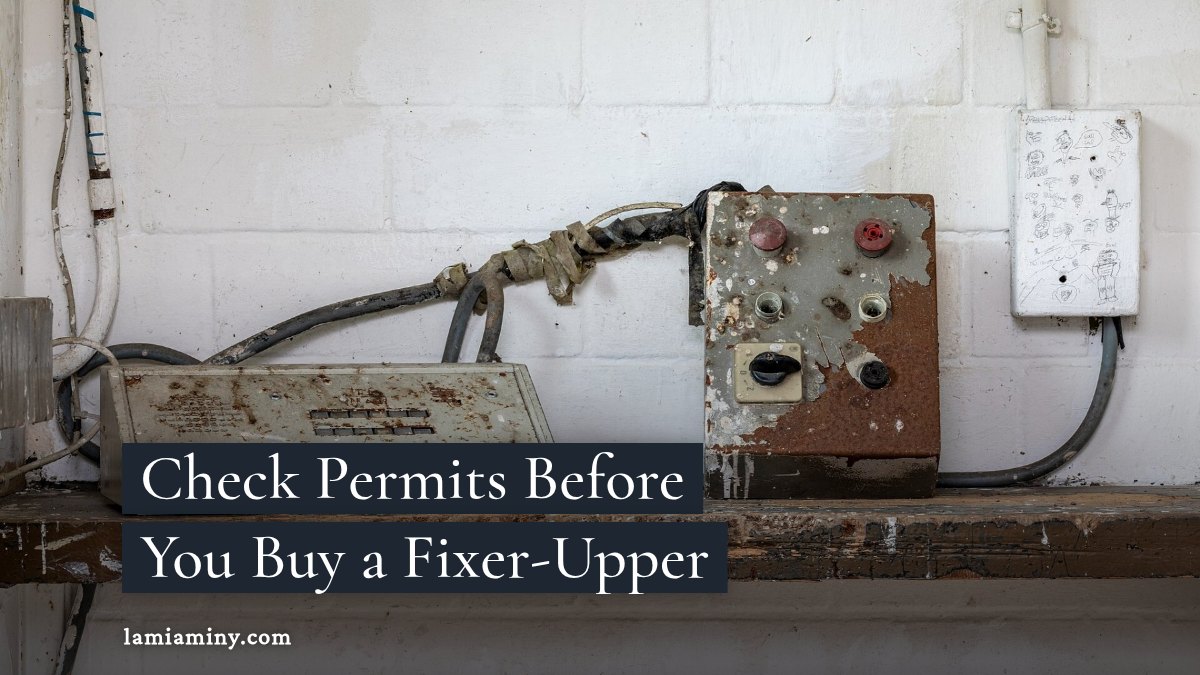
Unpermitted work does not stay in the walls. It follows the house to the buyer: HomeLight says insurance may not cover damage from it, such as a fire from substandard wiring, and in New York City the current owner is responsible for legalizing it, according to NY Engineers. So search the address before the walk-through and before the offer. This is a New York story: the filings, penalties and agencies below are New York City's, and other cities set their own rules, so check your own building department before you borrow any of them.
- Search the property address in the city's permit database. HomeLight says most cities have one, usually on the licenses and inspections website.
- If there is no portal, call the department and ask about open and closed permits on the property.
- In New York City, check the property's code violations in the Buildings Information System.
- Ask for the home's original blueprints and see whether the rooms and layout match them.
- Take a home inspector into the attic, where modified rafters and roof lines are easiest to see.
- If permits are missing, bring in an engineer, an inspector and an architect before you commit.
A house can keep a secret for decades, but a public database is a poor hiding place.
What Work Needs a Permit
HomeLight's rule of thumb is short: a project that changes a home's electrical system, plumbing or structure needs a permit. NYC's Department of Buildings lists painting, plastering, new cabinets and floor resurfacing as work that needs none.
The gap between those lists is where unpermitted work lives. A Corcoran agent told Brick Underground that about 10 percent of renovated houses in Bedford-Stuyvesant and Bushwick have had no permits pulled.
What Permit Records Can and Cannot Tell You
A search tells you whether a permit was ever pulled and whether it was closed. Brick Underground reports that when a permit was opened but never got final approval, buyer and seller negotiate how it gets closed out. Lenders look for open permits and violations, and a certificate of occupancy that doesn't match the house can block a mortgage.
A clean search proves only that paper exists, not that the room was built right. That is why the next stop is the house itself.
Home Inspector and Contractor Walk-Through
Start in the attic. A home inspector told HomeLight it is the best place to spot an addition, because altered rafters and roof lines are easier to read there. Hold the original blueprints up against the rooms as you go.
Then bring a licensed contractor. NY Engineers advises having one assess the current state of unpermitted systems, so you know what is behind the drywall before anyone draws a plan.
Architect or Engineer for As-Built Plans
The architect or engineer turns a finished room into a filing. NY Engineers says only a New York City Professional Engineer or Registered Architect can submit the construction plans for approval, and then the contractor can apply for a work permit. NYC DOB says most kitchen and bathroom renovations need an ALT2 application filed by a PE or RA, for example when adding a bathroom or moving a load-bearing wall.
Legalizing work exactly as built is rare. It is possible when the work is fully code-compliant; otherwise it must be corrected first. An architect quoted by Brick Underground warned that legalizing someone else's work can mean invasive inspections, retroactive filings, and unsafe work redone at the owner's expense. The sources here do not name that architect, so this story cannot either.
Electrician and Plumber for Unpermitted Systems
Wiring and pipes are the clearest permit cases, since both systems are on HomeLight's list. The licensed electrician or plumber is the licensed contractor from the walk-through: the one who assesses what was installed and, where it falls short, corrects it before the drawings are filed. The sources describe this role but do not follow a named tradesperson through a job.
The sign-off is a city inspection, not the tradesperson's word. In NYC, after modifications, the work must pass inspections, including by the Bureau of Electrical Control, the Department of Environmental Protection and the Department of Transportation, before a Certificate of Occupancy application.
Building Department Fees and Penalties
The building department decides whether the work stays. HomeLight says buyers can often apply for a permit after an addition is built, but if the city finds it isn't up to code, it will likely ask for it to be torn down. Brick Underground adds that when a permit was never issuable, such as converting a cellar to living space, the owner must remove the work.
The figure most buyers ask about is the NYC penalty for a one- or two-family dwelling: four times the permit fee, per NY Engineers. A buyer who shows the work predated their ownership may get it reduced or eliminated, but not if they bought knowing about it.
Lenders, Appraisals and Disclosure
Appraisers don't count unpermitted additions in square footage, says HomeLight, which can mean a low appraisal. A home inspector told HomeLight that lenders may finance such a home if there is a plan to bring it up to code before or after closing, but may refuse if it is a safety hazard or hard to fix. Sellers who know of unpermitted work must disclose it, and buyers may be able to sue if it was knowingly concealed.
At the Permit Counter
What follows is a composite built from the steps above, not a reported visit. You arrive with as-built drawings stamped by the architect or engineer, and the contractor's findings clipped behind them. The reviewer looks up the same address you searched weeks ago. If an old permit is still open, Brick Underground says it has to be closed out one way or another. Then the folder goes to the review tray, and you wait.
Highlights
How do I check whether work on a house was permitted?
Search the address in the city's permit database, or call the department if there is no portal. In New York City you can also check violations in the Buildings Information System.
Who draws the plans to legalize unpermitted work?
In New York City, only a Professional Engineer or Registered Architect can submit the plans for approval. After that the contractor can apply for a work permit.
What is the NYC penalty for unpermitted work in a one- or two-family home?
It is four times the permit fee. A buyer who shows the work predated their ownership may get it reduced or eliminated, unless they bought knowing of it.