Roofing Trends This Year
Shingles still earn most of the revenue, but metal, coatings, cool roofs and solar-ready systems are growing, while tariffs and scarce crews shape what a roof costs.
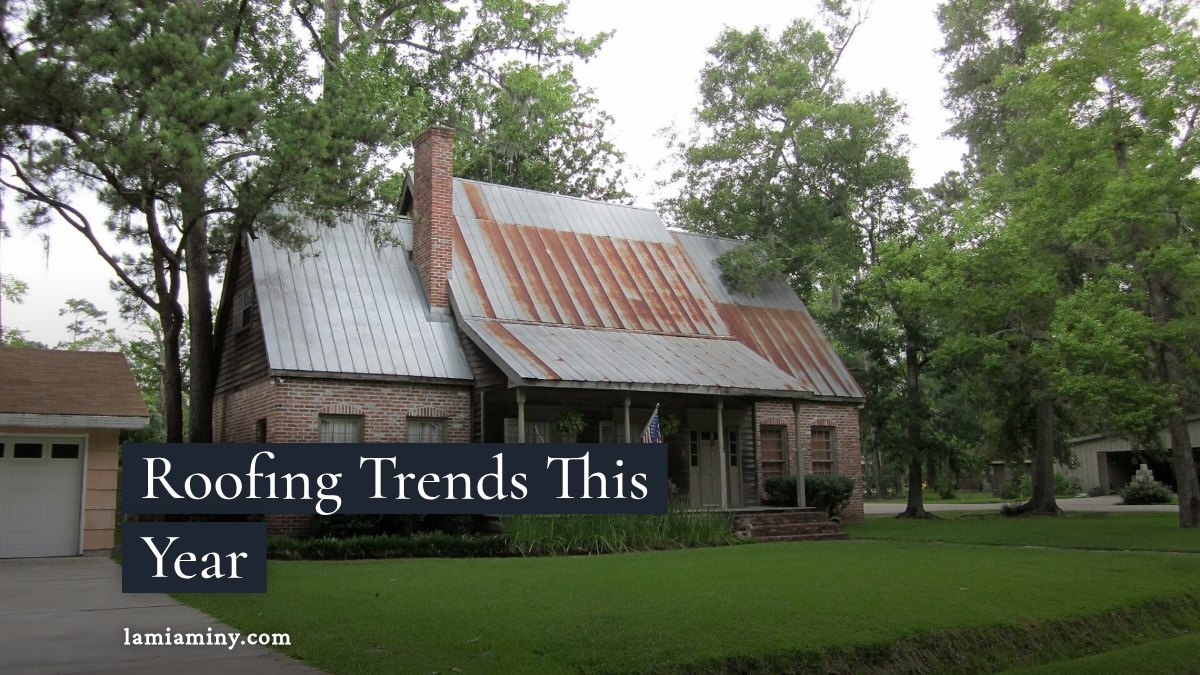
Nearly 200 contractors filled out the survey behind Roofing Contractor's 2026 State of the Roofing Industry Report, and the headline answer was a dull one: steep-slope roofing and shingles still dominate their revenue, with single-ply systems close behind. Shingles are the white shirt of roofing, and most of the block is wearing one. The interesting choices sit at the edges, and that is where a homeowner gets a say. ABC Supply's Rich Thompson, a distributor who sees what roofers order, said in January 2026 that cool roofs, solar options and storm-ready materials are growing in popularity.
What the trade says is rising
McKay Daniels, CEO of the National Roofing Contractors Association, said metal roofing has grown exponentially during his time in the industry, and that coatings have changed in a similar way. He was speaking on the panel Roofing Contractor ran in place of the keynote at the International Roofing Expo in January 2026.
The panel report gave a plain reason. With interest rates and inflation high, building owners are turning to coatings and metal as affordable ways to stretch the life of a roof. Thompson's company called reroofing the backbone of demand, so most of these choices are about replacing a roof that is already there.
Standing seam and metal
MBCI, a metal roofing manufacturer, published its own list of trends for 2026, so read it as a maker's view. It says fastening systems and panel designs give metal resistance to wind uplift in hurricane-force winds, and that metal holds up better in wildfire country than materials with organic components. It also reports that matte finishes, textured coatings and bolder colors are catching on, and that prefabricated systems can cut installation time and labor.
Zuper, a roofing software company, says metal keeps gaining market share and puts its lifespan at 40-70 years. That is a vendor's range, not a warranty, so ask any installer what the manufacturer actually backs. Daniels's account is the steadier guide: metal has grown a great deal, from a base where shingles, per the contractor survey, still bring in the most revenue.
Cool and solar-ready roofs
MBCI said in February 2026 that reflective cool roof coatings on metal reduce heat absorption and lower cooling costs, and that roofing systems designed to accommodate solar panels are gaining traction. Zuper points to California's Title 24 and similar rules as the reason energy-efficient roofing materials are becoming standard specifications. Where that holds, the code does some of the choosing before the homeowner gets to.
Tariffs and labor, reported as facts
Panelists at the January 2026 session said material prices are no longer climbing at pandemic-era rates but remain significantly higher than before COVID. ABC Supply said tariffs added upward pricing pressure in certain product categories, and that the uncertainty was the biggest effect. Eric Miller of Westlake Royal, a roofing manufacturer, said in March 2026 that tariffs, insurance and labor have pushed costs up; the company said it diversified suppliers and passes along increases only when absolutely necessary. Attorney Trent Cotney advised roofers to write a price acceleration provision into contracts while tariffs work through the supply chain.
On labor, panelists described tariffs, government policy and labor shortages as interconnected pressures, and said many contractors use subcontract labor for over half their workload. Thompson said skilled crews are hard to find, which affects timelines and costs. Westlake Royal said the shortage is hitting everyone, and named stepped-up immigration enforcement as part of it.
Price and lead time, plainly
Price: material costs sit well above pre-COVID levels, and a contract may carry a price acceleration provision. Thompson said insurance costs and interest rates matter especially to homeowners financing a big roof.
Lead time: scarce skilled crews affect timelines. MBCI says prefabricated metal shortens installs. Westlake Royal said it expanded its Okeechobee, Florida facility to make more of its Newpoint Saxony 900 flat concrete roof tile, aiming at shorter lead times.
Crew pay: Zuper cites median roofer wages of $50,030 a year.
What it changes for the person choosing
A homeowner's options come down to a coating to extend the life of what is there, metal for the longer run, or shingles, the most common job by revenue. Solar later, a clause that lets the price move, and who will actually be on the roof are worth raising before signing, since many contractors subcontract more than half their work.
Daniels has watched the trade long enough to see metal go from side note to growth line. His word for it was exponentially.
Highlights
What are roofers installing most this year?
Shingles and steep-slope roofing still dominate contractor revenue in the survey, with single-ply systems close behind. Metal, coatings, cool roofs and solar-ready systems are the growing categories.
Why are roofs costing more?
Panelists said material prices remain well above pre-COVID levels. ABC Supply and Westlake Royal both point to tariffs, and Westlake Royal adds insurance and labor.
Why are building owners choosing metal and coatings?
The January 2026 panel report says owners see them as affordable ways to stretch roof life when interest rates and inflation are high.
Sources
- What 2026 Holds for Roofing Contractors—and How to Win | Roofing Contractor
- Roofing Industry Q&A 2026: ABC Supply Co. | Roofing Contractor
- Roofing Industry Q&A 2026: Westlake Royal Building Products | Roofing Contractor
- The Future of Metal Roofing: Trends to Watch in 2026 | MBCI
- Roofing Industry Trends 2026 - Zuper | Zuper Blog