Paying for a Home Ramp or Curbless Shower
Medicare has no billing code for a loose rug. Here is what Medicare, HUD housing programs and CAPABLE do and do not pay for, and which one fits your home.
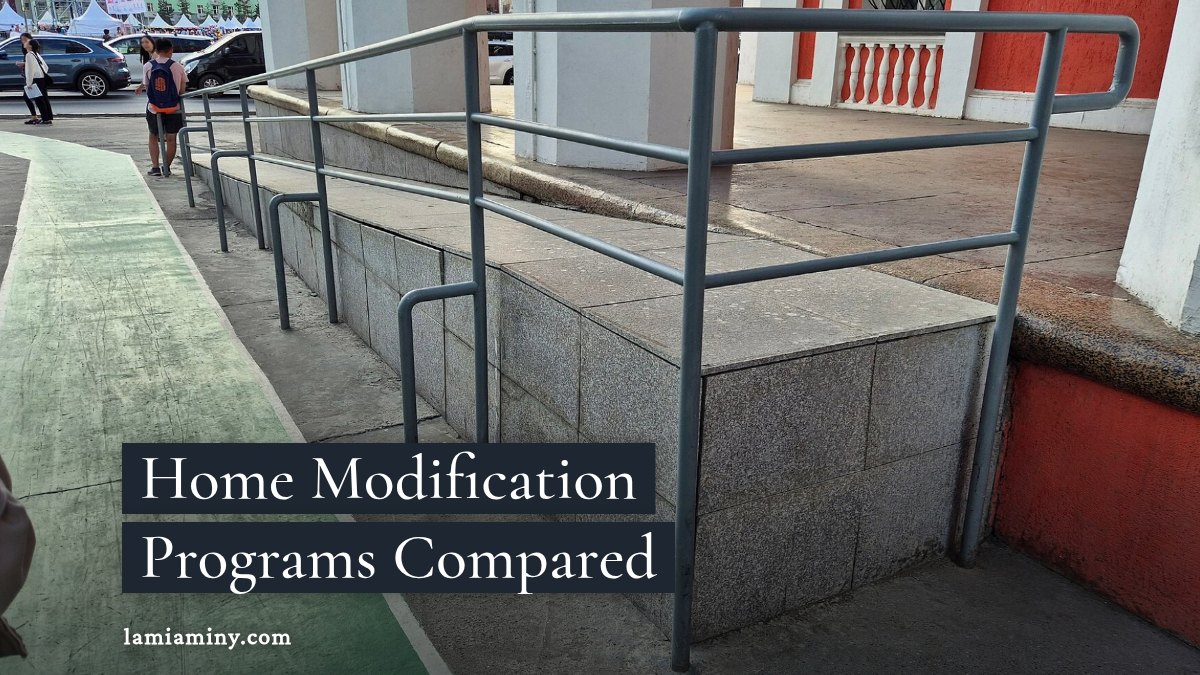
Falls contribute to the deaths of 41,000 older Americans, and the CDC says they cost Medicare about $50 billion each year. The fix is often a ramp, a grab bar or a curbless shower, yet Medicare has billing codes for treating a broken hip and none for preventing one. So the money for the carpenter comes from somewhere else, and where depends on your housing. It matters to builders too: a funded job reaches a handy worker or remodeler only after a program has decided to pay, so knowing the funder tells you who is really writing the scope.
Which Situation Are You In
No single order of calls works for everyone, so start by deciding which of these describes you, then ask that office.
- You rent in a HUD Multifamily property: ask the property for the change as a reasonable accommodation request.
- You rent there and the request is judged too costly or outside that process: ask the housing provider to refer you to a program funded by HUD's Older Adults Home Modification Program.
- You own your home on a low income: look for an organization or housing authority holding one of those HUD grants. The sources name no single front desk, so your local housing authority is a reasonable place to ask.
- You are 60 or older, or younger with a disability, and have trouble bathing, dressing or moving safely: ask your state or local agency on aging whether CAPABLE is offered nearby.
- You have a Medicare Advantage plan: ask whether it covers CAPABLE or home modifications. Most do not.
What Medicare Covers for Home Safety
Very little of the building. KFF Health News reports that Medicare has no codes for prevention or for small fixes such as tacking down loose carpet. Traditional Medicare and most Medicare Advantage plans do not cover CAPABLE. The exception it found: in the St. Louis area, one Medicare Advantage plan covers CAPABLE and caps home modification spending at $1,300 per person.
CAPABLE Cost and Who Qualifies
Over four months, CAPABLE sends an occupational therapist, a nurse and a handy worker to a client's home. It serves people 60 and up, and some younger people with disabilities, who struggle with bathing, dressing or moving around safely. People with dementia do not qualify. It typically costs $3,500 to $4,000 per client and runs on a patchwork of grants from state aging agencies and philanthropies. As of the March 2025 article it was about 15 years old and offered in about 65 places across 26 states, and only four states use Medicaid funds for it.
HUD Older Adults Home Modification Program
This HUD program pays organizations and housing authorities to carry out safety and accessibility work for low-income older homeowners. On August 22, 2024, HUD awarded more than $3.7 million to two nonprofits and a local housing authority, about $1.25 million each, to serve more than 525 senior families in urban and substantially rural communities, per LeadingAge. That was the second round of 2024, after grants announced April 9, 2024. You do not apply to HUD for a ramp; you look for the funded local program.
HUD Multifamily Reasonable Accommodation
In HUD Multifamily properties, approved in-unit modifications are paid through reasonable accommodation requests, from the property's Reserve for Replacement account, according to HUD. A provider may refer a resident to OAHMP-funded programs when a request is deemed cost-prohibitive or falls outside that process. The sources used here do not cover VA grants, USDA repair aid, Medicaid waivers beyond CAPABLE, or city programs, so ask your state aging agency about those.
Handy Workers and Occupational Therapists
In CAPABLE, the builder is the handy worker and the occupational therapist decides what is needed. Therapists rather than handy workers put in the work orders, which is cited as a safeguard for staying on budget. The sources name no individual worker, therapist or firm, and do not say who builds under the HUD grants, so ask each program who it sends.
The Work Order Comes First
On a CAPABLE job the order of events is set: the therapist writes the work order, and only then does the handy worker pick up a tool.
Highlights
Does Medicare pay for a ramp or a curbless shower?
Generally no. Medicare pays to treat a broken hip but has no codes for preventing one or for small home fixes, and traditional Medicare and most Medicare Advantage plans skip CAPABLE.
Who pays for changes in HUD Multifamily housing?
The property pays for approved in-unit modifications through reasonable accommodation requests, from its Reserve for Replacement account.
What does CAPABLE cost?
It typically costs $3,500 to $4,000 per client, funded through grants from state aging agencies and philanthropies.