Motion Activated Night Lighting and Who Installs It
Start with automatic lights between the bed and the bathroom, then add door sensors, leak detectors and fall alerts, with the trades the sources name for each.
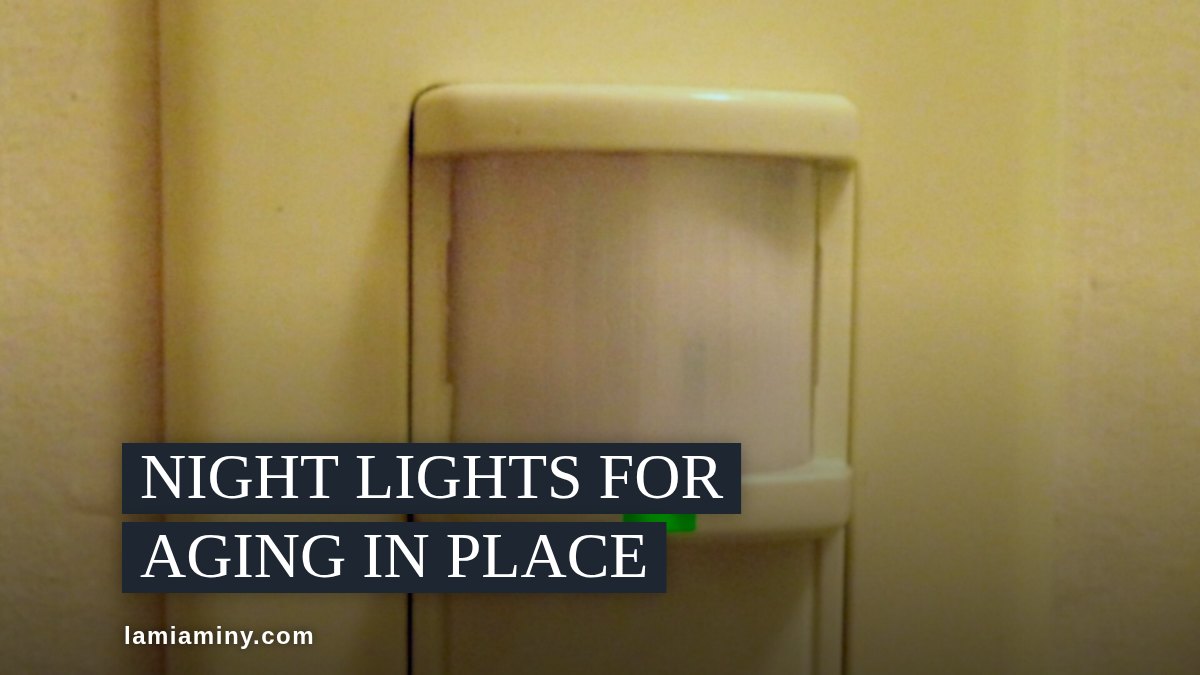
Put automatic lights on the path from the bed to the bathroom before you buy anything else. Tara Ballman of the National Aging in Place Council told Fox Carolina that this is the stretch where light matters most at night, and that every home should have automatic light sensors, whether or not an older adult lives there. The person to call for that job depends on where you draw a line, and Jeff Galea draws his clearly. He is president of Boca Tech and Automation in Boca Raton, Florida. His firm installs plenty of lighting and occupancy sensors, but it stays away from health and fall sensors because it won't act as a medical provider.
Why Night Lighting Comes First
Falls are the reason. The National Safety Council reported that 43,020 people aged 65 and older died from preventable falls in 2024. Pro Builder notes that the CDC suggests better lighting to lower that risk. A light that turns on by itself asks nothing of the person walking through the dark, which is why it leads the list.
Aging in Place Safety Steps in Order
Each step stands alone, so stop wherever the budget or the patience runs out.
- Light the night path. Redfin describes motion-sensing lights that come on in hallways, bathrooms and stairways and can be adjusted by phone or voice. Keep the brightness moderate: older eyes may need more light in some places, but glare is a hazard too.
- Choose switches that look like the old ones. Ryan Herd, CEO of Caregiver Smart Solutions, told Pro Builder a familiar-looking switch is less intimidating than a big wall touchscreen.
- Begin in the primary bathroom and the kitchen, which Pro Builder calls the places where most accidents happen.
- Add automatic sensors at the doors and outside lights.
- Put leak detectors by the toilet and the sink, set to alert a family member's phone. The Hartford and MIT AgeLab study also ranked smart water shutoff valves and water sensors among the most valuable technologies for older adults.
- Favor alerts that work without anyone pressing a button. Herd points out that a fall-alert button only helps if the wearer remembers it, while systems that learn routines can flag when something is off. Ballman lists door sensors, pressure-sensitive grab bars and floor mats as options that need no cameras.
- Add a medical alert last, and ask what happens in a power outage. Redfin advises a battery backup or cellular option.
Who Installs Each Piece
The public sources are firm about two trades and quiet about the rest, so this list says so.
Home integration firm, for lighting and occupancy sensors. Residential Systems counts Boca Tech and Automation among the few integration firms with CAPS-certified staff. Galea's firm handles many lighting and occupancy sensor jobs, and sends the medical side elsewhere.
CAPS remodeler, for the physical changes. BIAW says CAPS professionals take on work like widening doorways and installing shower grab bars. Redfin leaves a thermostatic shower valve or curbless entry to a professional contractor.
Fall detection and alerts. NAR reported that these systems follow movement through "the house and can notify a caregiver or emergency contact". The sources do not say which trade installs them.
Door sensors, leak detectors and outdoor lights. The sources do not name an installer, and none names an electrician or low-voltage installer or gives a price, so none appear here. Ask whoever handles your lighting whether they will do these, and get the scope and cost in writing.
Finding a CAPS Professional
NAHB says the CAPS credential covers technical, business management and customer service skills for aging-in-place home modifications. Anyone hiring can search its directory of CAPS credential holders.
Natural Lighting in a Real Home
Galea has tried this on his own family. In his parents' home he added Ketra lighting that follows the sun through the day, and he said reports indicated it helped his mother's health and well-being, according to Residential Systems. It is one house and his own account, not a study. But it is the install this guide is about: a house where the light changes on its own and nobody has to touch a switch.
Highlights
What should I install first for aging in place?
Automatic lights on the path from the bed to the bathroom, according to Tara Ballman of the National Aging in Place Council. She says every home should have automatic light sensors.
Who installs lighting and occupancy sensors?
Home integration firms, such as Boca Tech and Automation in Florida. That firm does many of these sensors but not health or fall sensors.
How do I find a CAPS remodeler?
NAHB keeps a directory where you can search for CAPS credential holders. CAPS professionals assess homes and recommend changes.
Sources
- 5 Things to Know About Smart Tech for Aging-in-Place Home Design | Pro Builder
- Smart-Home Tech That Helps Homeowners Age in Place
- Smart Tech Upgrades for Aging in Place - Redfin
- Low-cost home fixes and age tech can help older adults stay safe at home
- Certified Aging-in-Place Specialist (CAPS) | NAHB
- The Business of Aging in Place - Residential Systems
- Smart Home Tech Helps Aging Home Owners