Stair Light Switches at Both Ends
The one stair fix that needs an electrician, plus a weekend checklist and which trade handles the flooring, handrail and entry step jobs.
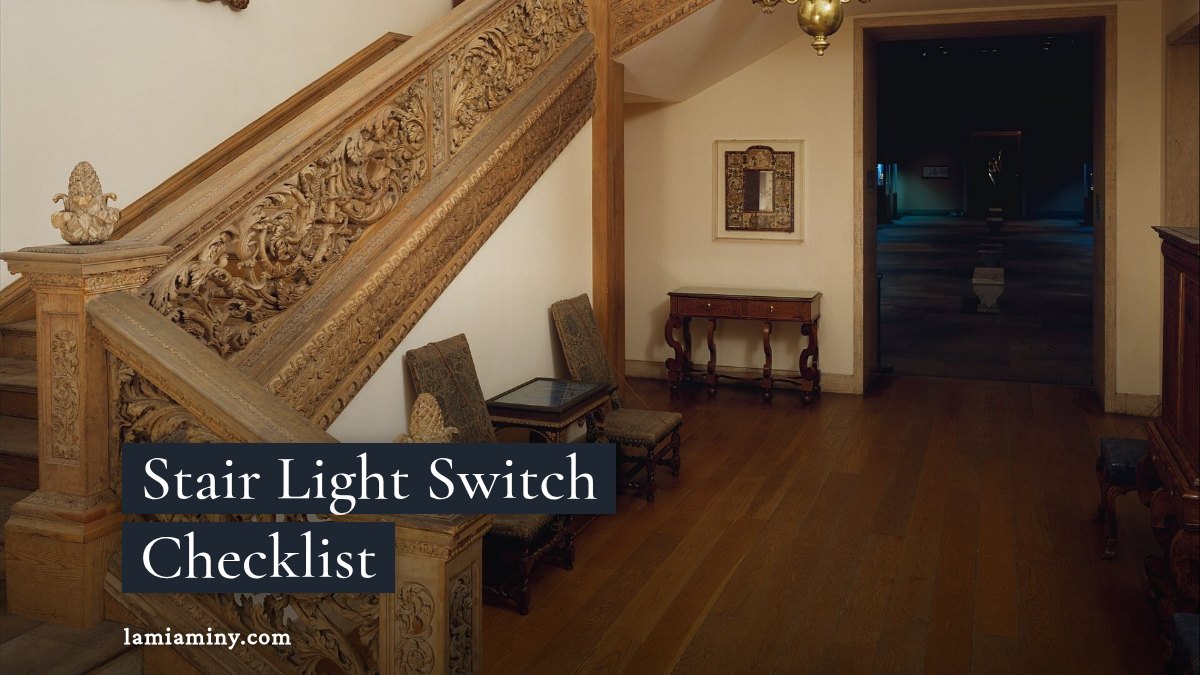
Put a light switch at both ends of every stair. It is the one fix on this list that is not a Saturday job, because someone has to run wire between the top and the bottom, and that someone is an electrician. NCOA recommends lights and switches at both ends of the stairs, and it says more than 75% of falls happen inside or close to the home. Your house is the job site, and a short list of trades does the work.
Stair Safety Checklist for the Weekend
Walk the house once with a notepad and mark each item as yours to do or a call to make. These steps follow NCOA's advice.
- Stairs: look for a switch at the top and the bottom. If one is missing, write down "electrician."
- Entryways: add lighting, ideally motion sensor lights, which also save on energy costs.
- Bedroom to bathroom: plug in nightlights along the path, some of which switch on after dark or with motion.
- Rugs: pull scatter rugs, or swap them for heavy rubber-backed ones that stay in place.
- Stair edges: if the steps are all one color, stick contrasting tape on the edges.
- Handrails: look for a second rail, and shake both to see if they are secure.
Stair Lighting and the Electrician
Nightlights, motion lights and bulbs are yours to handle. The switch at the far end of a flight belongs to the electrician, the same trade that decides where every lamp in a house goes before the painters arrive. Keep your own part safe: NCOA says not to climb on a chair or stepladder for high bulbs. Ask someone for help, and consider LED bulbs, which last longer.
Stair Flooring and Rugs
Rugs and contrast tape are weekend work, and the flooring installer is for anything that changes the stair itself. Jaspector, a site that explains the residential stair code, notes that a new floor finish can alter how tall a riser is and so call for a correction. Before re-covering stairs, ask the installer how the finish will change each step.
Handrail Repair and the Carpenter
A loose rail is carpentry, and so is adding the second rail NCOA recommends, with both fastened securely. Jaspector suggests bringing in a stair contractor, carpenter or design professional when stairs are rebuilt, when finishes shift step heights, or when the plan includes custom rails. Viewrail points out that a town can set stricter rules than the model codes, which is one reason to hire someone who knows the local ones.
Front Step and Threshold Repair
Entry steps are where the house meets the weather. NCOA says to fix cracked or wobbly front steps as soon as possible, so note them on your walk and get a repair quote. Renters should raise changes with their landlord.
Occupational Therapist Home Assessment
If you cannot tell which job matters most, NCOA says an occupational therapist can assess a home for hazards and suggest ways to fit it to how a person lives. This edition is a spoke of our Aging in Place, Room by Room guide, which covers the rest of the house.
The Last Switch
Do the test at night. Stand at the bottom of the stairs and flip the switch, then climb with two hands on the rail, or one hand and both feet, as NCOA's three points of contact have it. If the top landing is still dark when you get there, you have found your first phone call.
Highlights
Which stair fix comes first?
Lights and switches at both the top and bottom of the stairs, as NCOA recommends. A second switch means wiring, so call an electrician.
Who fixes a loose handrail?
A carpenter. NCOA also recommends a second handrail with both rails installed securely, and Jaspector suggests a carpenter or stair contractor for custom rails.
Can new stair flooring cause problems?
Jaspector says new flooring can change a riser height and create a code correction. Ask the flooring installer how the finish will change each step first.