Designing a Healthy Home Starts With Light, Air, Materials and Rest
What designers plan for in light, air, materials and the bedroom, and why the first move is deciding what never enters the house.
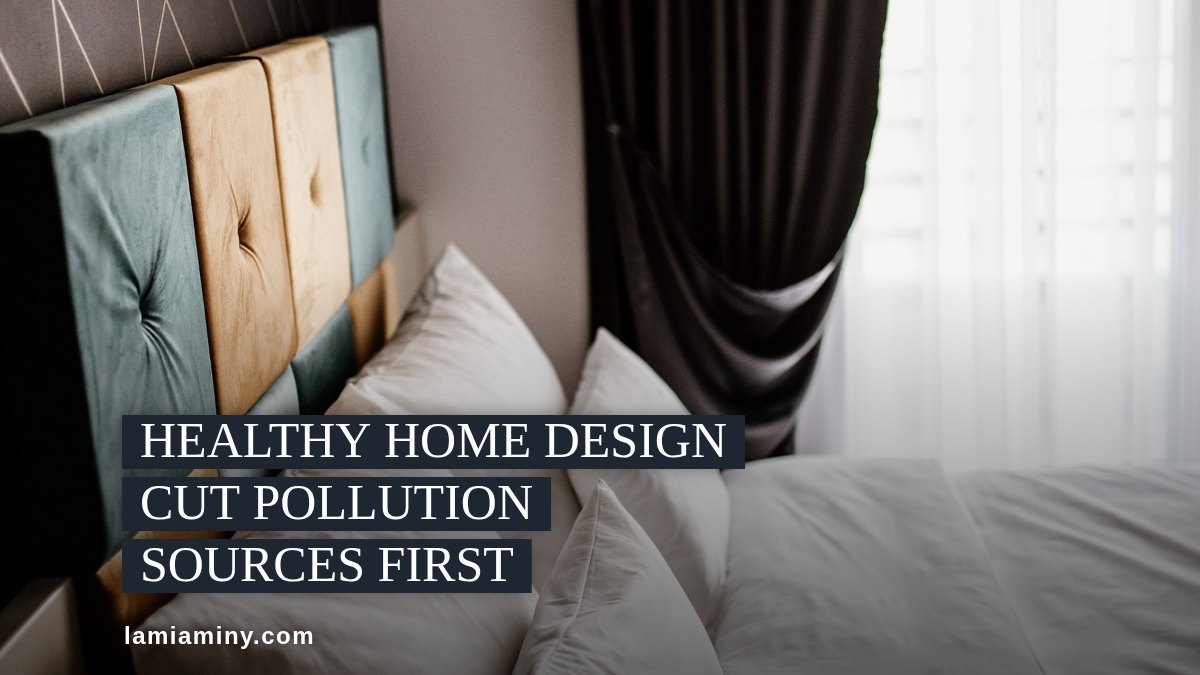
The cheapest air purifier is the product you never carried in. Before anyone draws a window or picks a paint, decide what stays out of the house. The EPA says that removing individual pollution sources, or cutting their emissions, is usually the most effective way to clean up indoor air, and that it often costs less than adding ventilation, which can raise energy bills. Every other healthy-home decision follows from that one.
Here is the order a designer works in:
- Cut the sources first: low-emitting paints, finishes, flooring and furnishings, and fuel-burning appliances vented outside.
- Plan the light: where daylight enters and how the house lights itself at night.
- Plan the air: exhaust where moisture and cooking happen, and a real fresh-air strategy.
- Choose the materials that cover the most surface.
- Design the bedroom around quiet, dark and cool.
Each step belongs to a different trade: the window installer and lighting designer, the HVAC contractor, the painter and flooring crew, and the interior designer who closes the sequence in the bedroom.
Light and Daylight Planning
Light is settled by the architect and the window installer long before a decorator arrives. Miller Hull, the architecture firm, writes in BD+C that daylight lifts mood and alertness and helps keep circadian rhythms on schedule. Pro Builder's list of healthy-home features starts the same way, with windows placed to gather daylight, then insulation, filtered fresh-air ventilation and materials that do not emit VOCs.
At night the job flips to the lighting designer. A Resident contributor article describes sleep-friendly rooms that pair blackout treatments with softer night lighting, so the same house that welcomes morning light can wind down after dark.
Air and Ventilation Planning
Air belongs to the HVAC contractor, and the job starts with an awkward fact from the EPA: most home heating and cooling systems, forced air included, do not mechanically bring in fresh air. Some newer designs add heat recovery ventilators, which draw in outdoor air while limiting heating and cooling costs. Homebuilding sorts modern homes into passive ventilation (trickle vents, air bricks) and active, mechanical ventilation with heat recovery.
The installer sizes to a number. ASHRAE recommends 0.35 air changes per hour and at least 15 cfm per person for homes, plus intermittent exhaust capacity in kitchens and bathrooms for pollutants and moisture. Those fans should move air outside, and damp zones may need dehumidifiers. The EPA's target is 30 to 50 percent indoor humidity, because high humidity makes mold more likely.
Two EPA cautions save money. Most table-top air cleaners are much less effective at removing particles, and there is no evidence that a reasonable number of houseplants clear significant pollutants. If you are building, ask the builder about radon-reducing features.
Materials and Low-VOC Finishes
The painter and the flooring crew make the choices that last. A painter's lever is the can: modern water-based paints have to meet low-VOC requirements, though levels vary, so Homebuilding advises reading the VOC label. A flooring crew's lever is the product itself. Carpet can keep releasing VOCs for as long as five years in some cases, while wool, sisal, jute and bamboo are naturally low-VOC.
The EPA lists paints, varnishes, cleaning supplies, building materials and furnishings as VOC sources, and notes they can evaporate even in storage. The Resident adds adhesives, cabinetry, fabrics and sealants. Homebuilding's moderate path favors natural insulation and untreated timbers and skips the PU foams used to fit windows and doors.
Miller Hull recommends low or no-VOC paints and finishes, and the firm has pledged to remove red list chemicals from its projects. On a remodel, the EPA says to limit pollution from new materials and from disturbing old ones.
Rest and the Bedroom
The bedroom comes last because it inherits everything above. Pro Builder reported that a bedroom should be quiet, promote healthy sleep and be large enough to avoid overcrowding. Homebuilding adds that a sleeping room has to handle light and temperature as well as noise, with blackout window treatments and morning natural light for the circadian rhythm.
Noise is a floor-plan decision first. Homebuilding advises anyone near a busy road to plan for it early, putting bedrooms and quiet rooms away from the noise and noisier rooms closer. Then come the soft goods. Miller Hull says sound-absorbing materials help people sleep, and the Resident lists rugs, curtains, upholstered furniture, acoustic panels, cork, bookshelves and better windows for cutting echoes and street sound.
The EPA's asthma advice is plain housekeeping: pets out of the bedroom, sheets washed weekly in hot water, allergen-proof mattress and pillow covers.
For the walls, Miller Hull's published advice is to go soft and natural. Its designers pick muted blues and greens for bedrooms, colors the firm says read as tranquil.
Highlights
What should I do first when designing a healthy home?
Control the sources of pollution before adding anything. The EPA says eliminating or reducing individual sources is usually the most effective way to improve indoor air, and it is often cheaper than extra ventilation.
Do houseplants and table-top air cleaners clean indoor air?
Not much, according to the EPA. It says there is no evidence a reasonable number of houseplants remove significant pollutants, and most table-top air cleaners are much less effective at removing particles.
How much ventilation does a home need?
ASHRAE recommends 0.35 air changes per hour and at least 15 cfm per person, with exhaust capacity for kitchens and bathrooms. The EPA suggests keeping humidity between 30 and 50 percent.
Sources
- Improving Indoor Air Quality | US EPA
- Care for Your Air: A Guide to Indoor Air Quality | US EPA
- How much ventilation do I need in my home to improve indoor air quality? | US EPA
- Light, Air Quality, And Thermal Comfort Make A Home Healthy | Pro Builder
- Building a Healthy Home: An 8-Step Check Up | Homebuilding
- How to promote wellness through interior design | Building Design + Construction
- Wellness Home Design Beyond Spa Bathrooms and Light