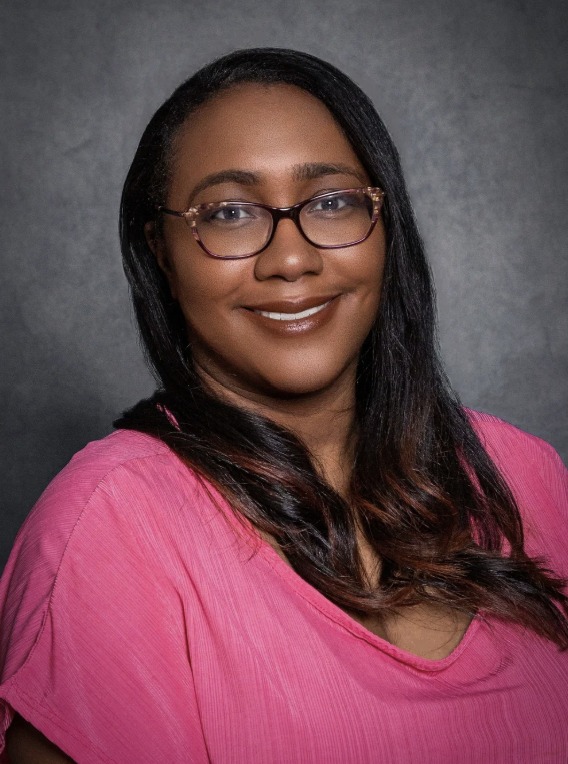
Return to Sport After ACL Surgery, With Miami Physical Therapist Anderson Russell
The former NFL player clears athletes by what the knee can prove, not by the calendar. Here is the checklist he uses at Complex Physical Therapy & Performance.
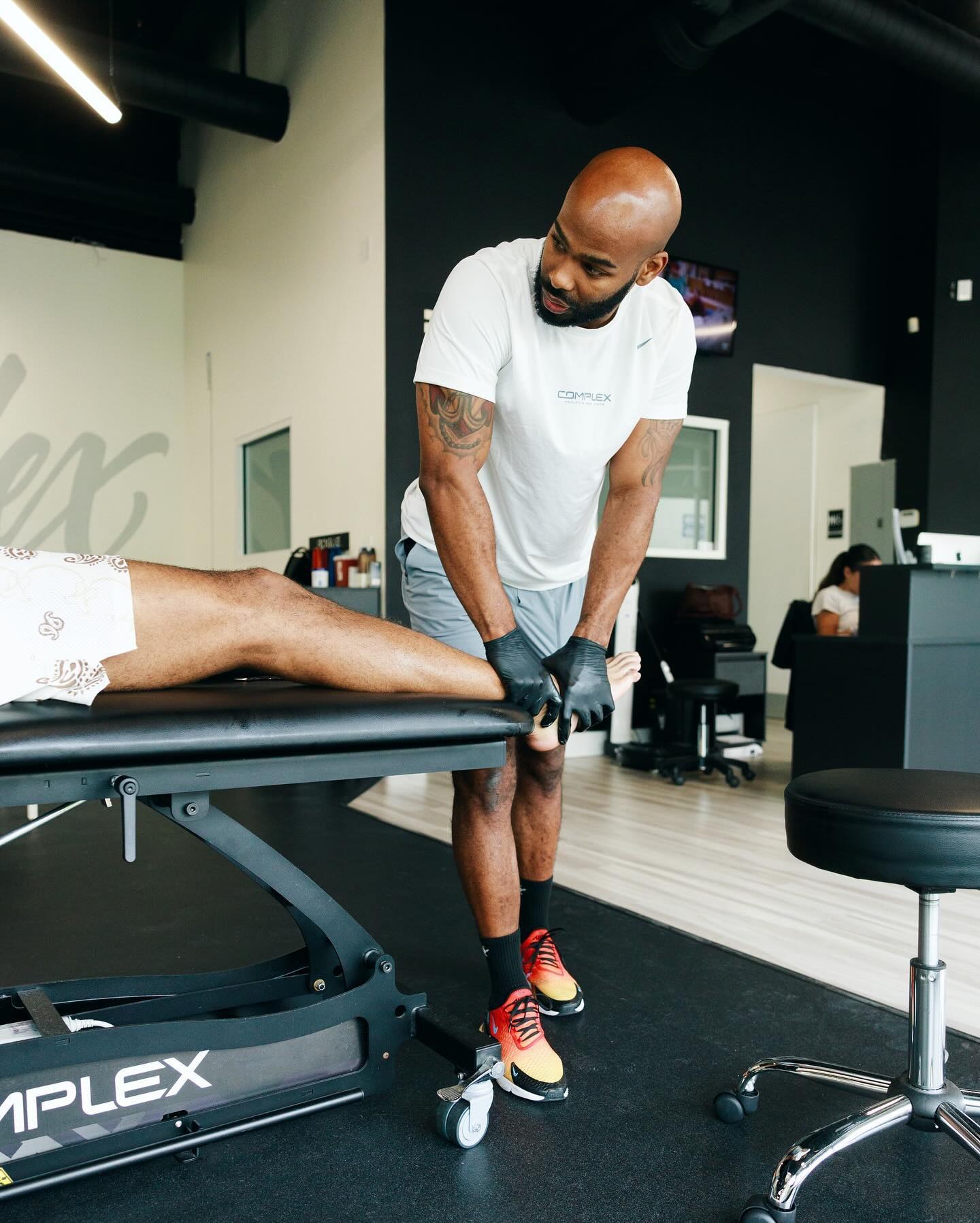
Anderson Russell has one rule for athletes coming back from ACL surgery, and it has nothing to do with the date. "My answer is never based on how long it has been. It is based on what you can prove." Before he clears an athlete at Complex Physical Therapy & Performance in Miami, the knee has to show him six things.
- Strength close to the other leg. Quad and hamstring strength on the operated leg at 90% or more of the other leg, and 95% or more for athletes going back to high-risk cutting sports.
- Hop tests with clean landings. Single, triple and crossover hops, judged for distance and, above all, for control, with no knee caving inward.
- Single-leg control. A single-leg squat, step-down or landing drill without the knee caving, the hip dropping or pain rising.
- Change of direction. Lateral shuffles, cuts, decelerations and reactive drills, done without compensating.
- Confidence. A validated questionnaire such as the ACL-RSI, because fear changes how an athlete moves.
- Sport-like practice. Practice intensity, controlled scrimmage, position drills or a graded return to running and sprinting.
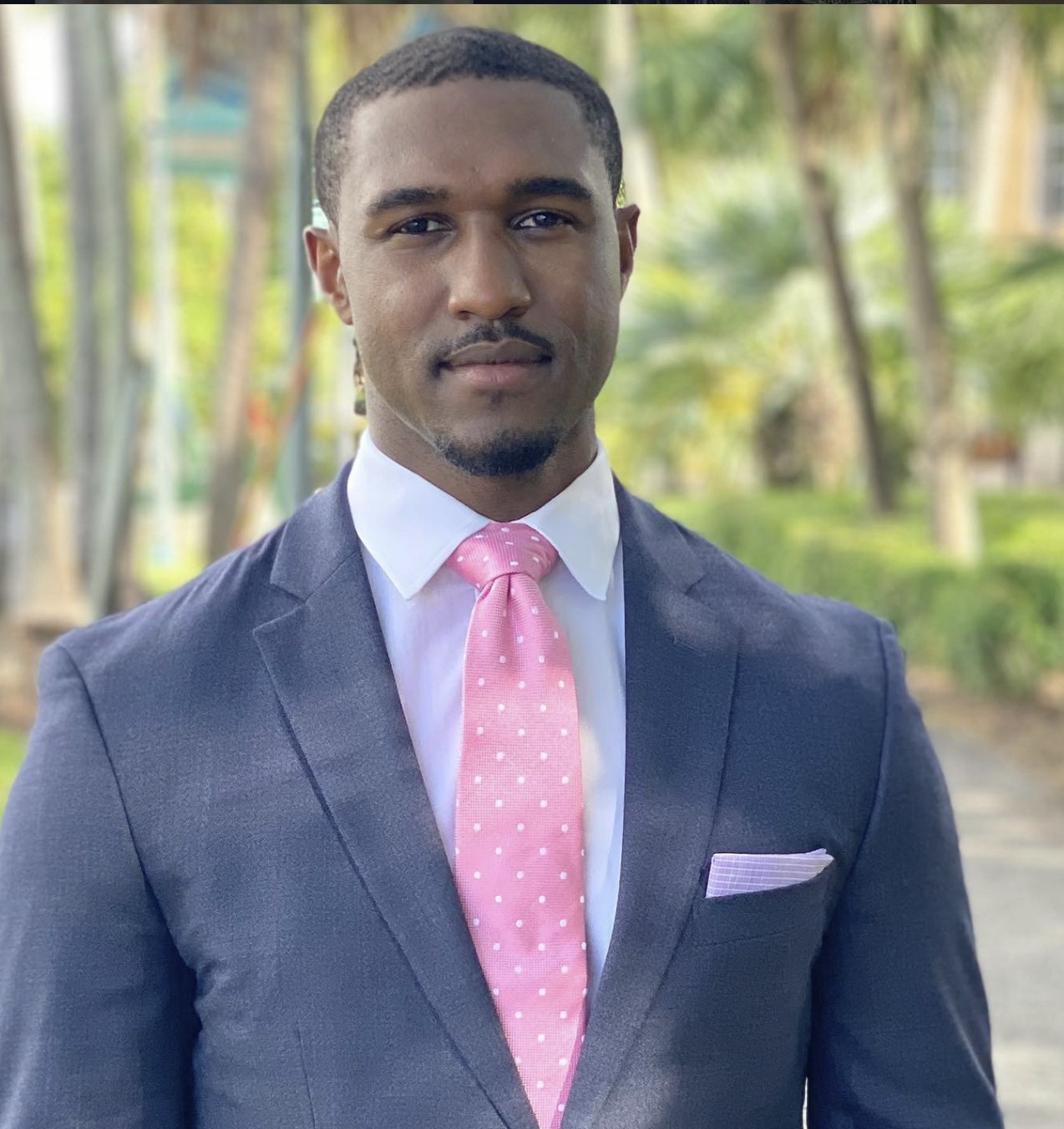
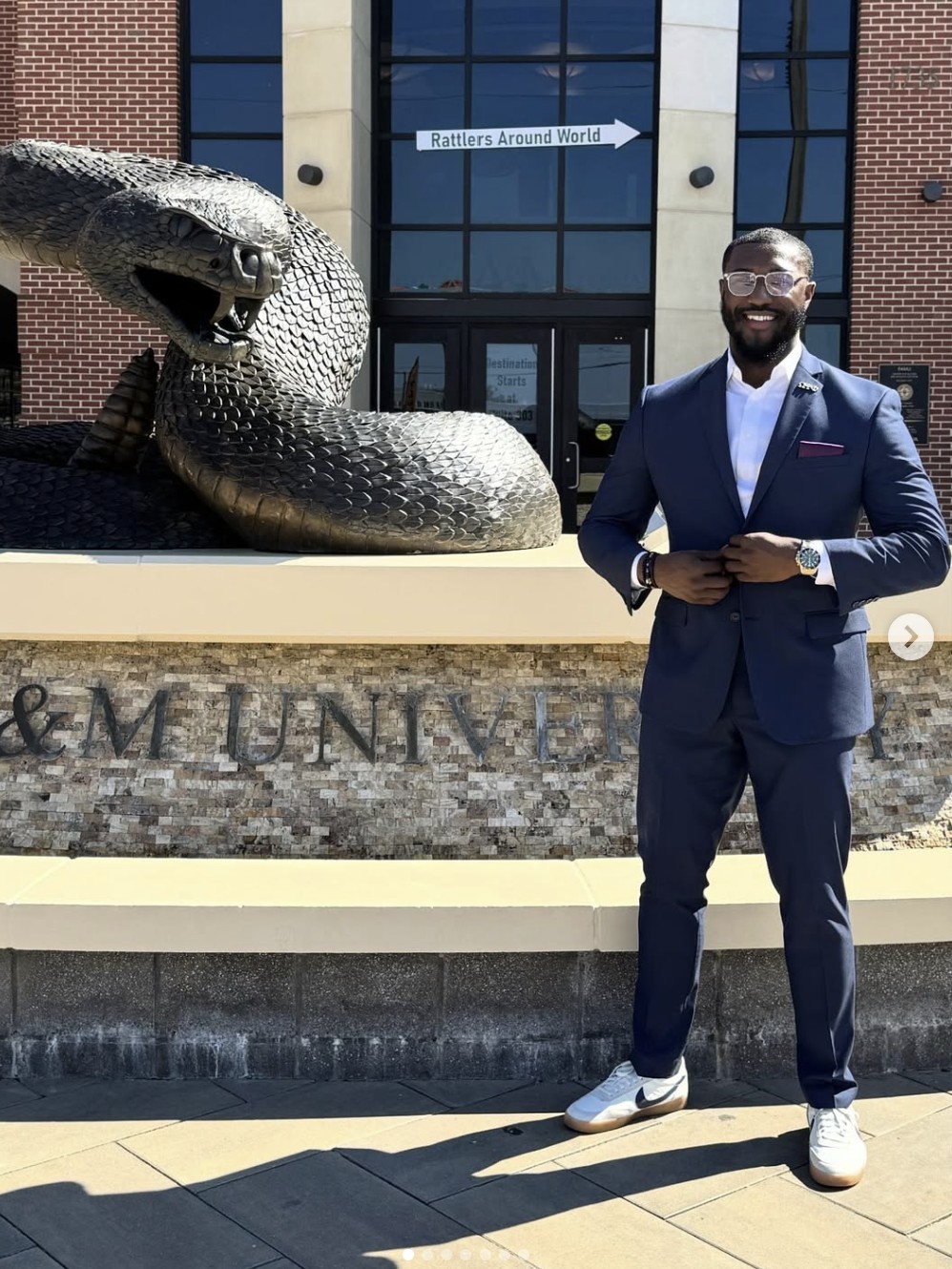
Russell knows what is on the line from both sides of the sideline. He played football at Ohio State from 2005 to 2009 and spent five seasons in the NFL with Washington, the Miami Dolphins and the Carolina Panthers before earning his Doctor of Physical Therapy at the University of Miami in 2020. He is a licensed Florida physical therapist qualified in dry needling, a certified strength and conditioning specialist, and the director of physical therapy at Complex, where return-to-play rehab and recovery after ACL surgery are his specialties.
Why the Calendar Is Not the Test
Surgeons often give a six to twelve month window after ACL reconstruction. Russell's read on that range is plain: "That is a window, not a green light." Some athletes have the capacity at eight months; others need well over twelve.
The research backs the checklist. In the Delaware-Oslo ACL cohort study of 106 athletes in pivoting sports, about 38% of those who failed return-to-sport criteria were reinjured within two years, against under 6% of those who passed. Each month of waiting cut the reinjury rate by about half, up to nine months after surgery, and more even quad strength before return lowered it further. A study of 158 male professional athletes found that those who returned without meeting all six discharge tests had four times the risk of tearing the new graft.
The Phases of ACL Rehab
Russell moves athletes through five phases, and each one opens only when the last is passed.
- Weeks 0 to 6, protection and mobility. Protect the graft, restore range of motion and wake up the quad. Getting the knee fully straight early is, in his words, non-negotiable.
- Weeks 6 to 12, strength and control. Quad and hamstring strength and single-leg work, the base every later milestone stands on.
- Months 3 to 6, running and landing. Running starts only with good quad strength, control and no swelling: straight lines first, then agility.
- Months 6 to 9 and beyond, sport skills. Change of direction, contact and deceleration, with the hip loaded side to side so the athlete can absorb force and cut.
- Return and maintenance. Clearance comes when the criteria are met, and the strength work continues through the first year back.
When a Healed Knee Still Feels Unstable
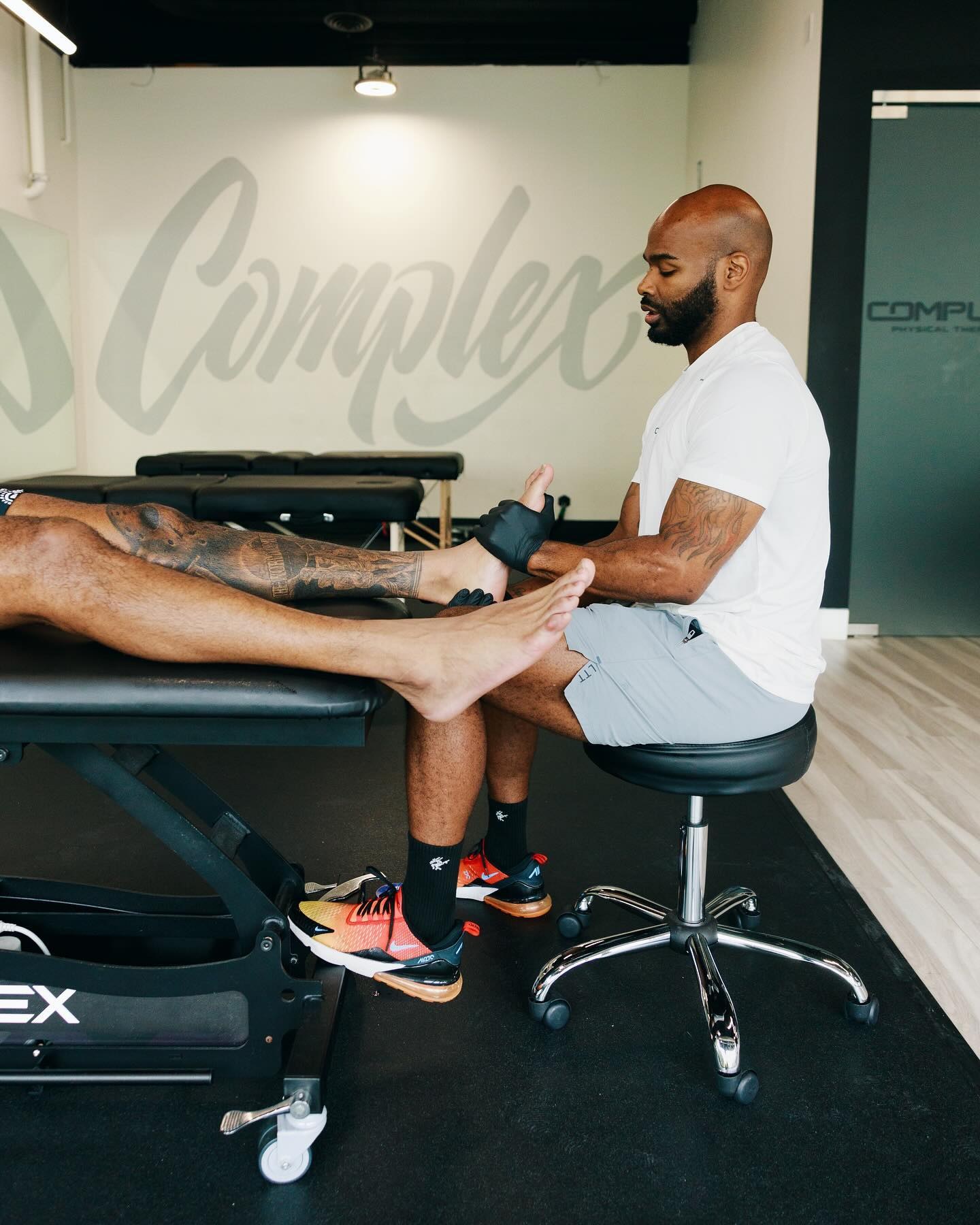
A clean MRI and a surgeon's sign-off do not always mean a knee feels trustworthy. Russell traces that feeling to a handful of causes: quad and hip weakness, rehab that only ever moved forward and back, swelling that comes and goes, fear of reinjury, and going back before capacity matched the sport. His answer is to step back a phase, rebuild and retest. "There is no shame in doing this right. There is risk in faking readiness."
Working With Anderson Russell in Miami
Russell sees athletes at Complex's South Miami flagship, where physical therapy, performance coaching and recovery run as one plan, and at its Wynwood studio inside Omega Wellness Club, and Complex lists Fort Lauderdale as a third location. One patient's review on Complex's site puts it simply: "Anderson is extremely knowledgeable." On the clinic floor, his cue for a stubborn knee is three beats long: "Control. Stabilize. Then load harder."
General information, not medical advice. Your surgeon and physical therapist set the plan for your own knee.
Highlights
When can you return to sport after ACL surgery?
When the knee passes strength, hop, movement and confidence tests, not on a set date. Anderson Russell looks for operated-leg strength of at least 90% of the other leg, and the Delaware-Oslo study found reinjury fell with each month of waiting up to nine months.
What tests clear an athlete after ACL reconstruction?
Russell checks strength symmetry, hop tests, single-leg control, change of direction, a confidence questionnaire and sport-like practice before clearing an athlete at Complex Physical Therapy & Performance.
Who is Anderson Russell?
Anderson Russell is a Miami physical therapist and the director of physical therapy at Complex Physical Therapy & Performance, a former NFL player with Washington, the Miami Dolphins and the Carolina Panthers, and a Doctor of Physical Therapy from the University of Miami.
Sources
- Complex: Return-to-Play Testing, The Metrics We Use Before Clearing You
- Complex: ACL Rehab Timeline, What Return to Sport Really Requires
- Complex: Why Your Healed Knee Still Feels Unstable
- Complex: Anderson Russell, PT, DPT, CSCS, Cert DN
- Florida Department of Health: Anderson Russell, physical therapist license
- LinkedIn: Anderson Russell
- British Journal of Sports Medicine (PubMed): Simple decision rules can reduce reinjury risk by 84% after ACL reconstruction, the Delaware-Oslo ACL cohort study
- British Journal of Sports Medicine (PubMed): Likelihood of ACL graft rupture, not meeting six clinical discharge criteria before return to sport
- Complex: South Miami
- Complex: Wynwood