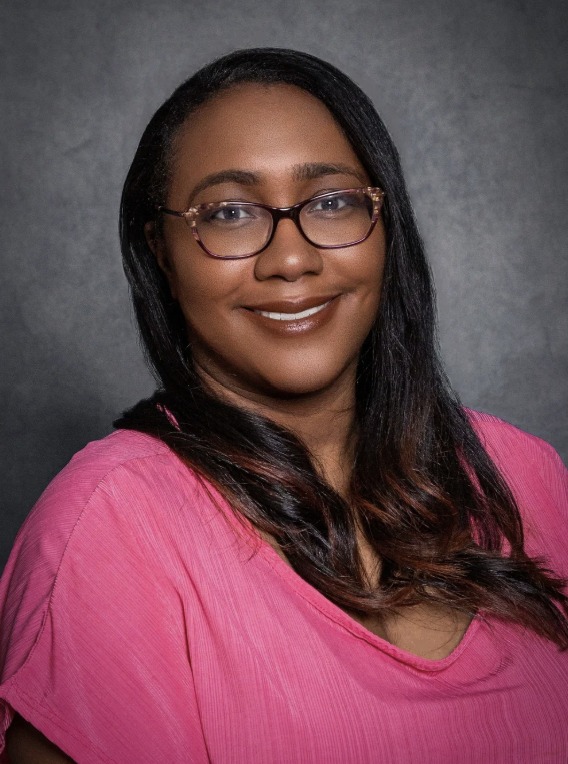
Sweetgrass Baskets From Sapelo Island, With Karisma Ray and Master Basketmaker Yvonne Grovner
How a Gullah Geechee basket is made, how to live with one, and why the Atlanta blogger wants to learn the craft from the weaver her hometown shares.
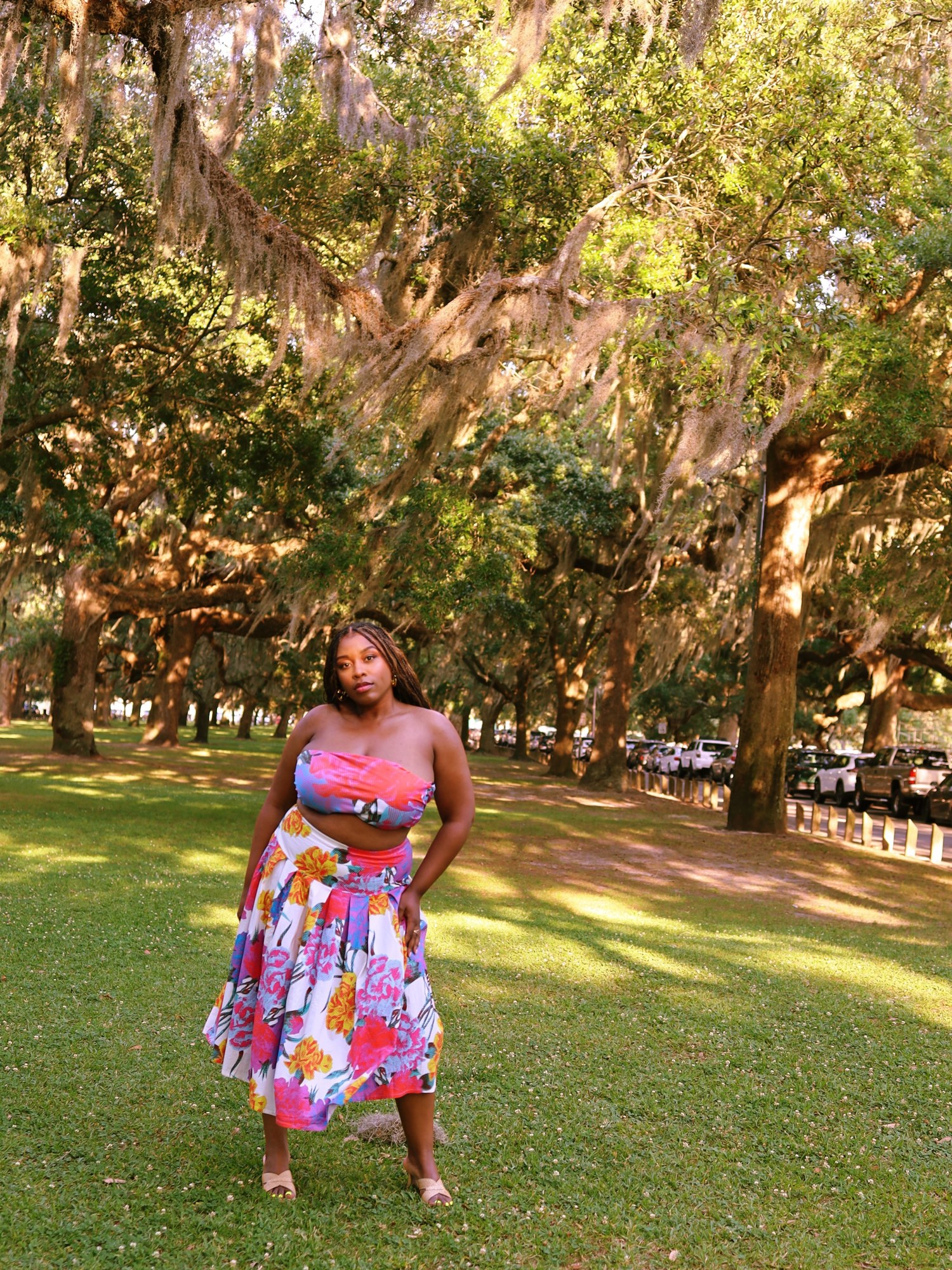
A sweetgrass basket earns its place in a home in more ways than one, and the women who make them have used every one.
- On the table, for bread. Many buyers want them because they are handmade and use them as bread baskets.
- As a fruit dish. The fruit dish is one of the traditional shapes.
- For sewing. Women once kept their sewing materials in baskets made for the job.
- As a catchall. One Sapelo Island collector keeps bread, vegetables and spare change in his.
- Just for show. The same collector keeps others purely to look at, and Karisma Ray suggests decorating your home with one or taking it on a picnic.
Ray, the Atlanta lifestyle blogger behind karismaray.com, is Gullah Geechee, raised in Crescent, Georgia, in McIntosh County. On a visit home she chatted with Yvonne J. Grovner of Sapelo Island, the master basketmaker she calls "THE sweetgrass basket weaver in Georgia." Sapelo is also where Ray's own family line runs back, through the Wylly name, or Wylie, depending on who you ask.
How a Sweetgrass Basket Is Made
The baskets are coiled from sweetgrass and palmetto. Grovner collects sweetgrass near ditches and snips palmetto stems, then works with little more than scissors, a sharpened paint-can opener for poking holes and a dulled knife. She starts with a knot and builds outward, sometimes adding handles or pine needles for color. A basket the size of a dinner plate takes at least 10 hours of stitching alone.
The form is older than the country. Enslaved Africans brought coiled basketmaking to the coast, where fanners winnowed rice and other baskets carried food and cotton. The Gullah Geechee people, descendants of West and Central Africans enslaved on the rice, Sea Island cotton and indigo plantations of the lower Atlantic coast, kept many of those traditions alive on isolated islands and in their arts and crafts.
Yvonne Grovner, Master Basketmaker of Sapelo Island
Grovner, a native of Crescent herself, learned from Allen Green, her husband's uncle and a basketmaker so admired that some call him the Rembrandt of basketmaking. She has since taught her daughter, her husband and friends, and she teaches classes for visitors too. She and her husband put close to 100 hours into the basket that rode on the Gullah Geechee float at President Barack Obama's second inaugural parade, and Georgia gave her the Governor's Award in 2020. Her work was featured in the Harvard Peabody Museum's exhibit Rice: Seeds from Africa.
She makes up to 15 baskets a month, mostly at night in front of the TV. "You have to have a whole lot of patience to make a basket," she has said. "I got patience."
Buying a Sweetgrass Basket
Ray's advice for buyers is to pay the makers what the work is worth. She writes that "our culture is not for sale but please pay for the energy," noting that larger baskets can sell for up to a few thousand dollars depending on size. Grovner's own work has sold from $50 to a record $800, to clients from New York to Colorado. In South Carolina, basket makers formed the Mount Pleasant Sweetgrass Basketmakers Association to protect the wild sweetgrass and advocate for fair prices.
Karisma Ray and Sapelo Island
For Ray, the basket is family history she can hold. She writes that keeping the craft alive keeps a link to West Africa going, and she has set herself a goal: "My goal is to learn next."
Highlights
What is a sweetgrass basket made of?
Sweetgrass and palmetto, coiled and stitched by hand. Master basketmaker Yvonne Grovner of Sapelo Island, Georgia, sometimes adds pine needles for color.
How long does it take to make a sweetgrass basket?
A basket the size of a dinner plate takes at least 10 hours of stitching, and the large basket Grovner and her husband made for President Obama's second inaugural parade took close to 100 hours.
How can you decorate with a sweetgrass basket?
Use one as a bread basket, a fruit dish, a sewing basket or a catchall, or simply display it. Atlanta blogger Karisma Ray also suggests taking one on a picnic.
Sources
- Karisma Ray: I'm Gullah Geechee Part 2, The Sapelo Sweetgrass Basket
- Karisma Ray: About Me
- Harvard Museums of Science & Culture: Reflecting on Geechee Traditions with Master Basket Maker Yvonne Grovner
- Jekyll Island Magazine: Master of the Craft
- National Park Service: Gullah Geechee Cultural Heritage Corridor
- Smithsonian Folklife Festival: Sweetgrass Baskets